Reading on Screens vs. Paper: What Actually Changes and What Doesn't
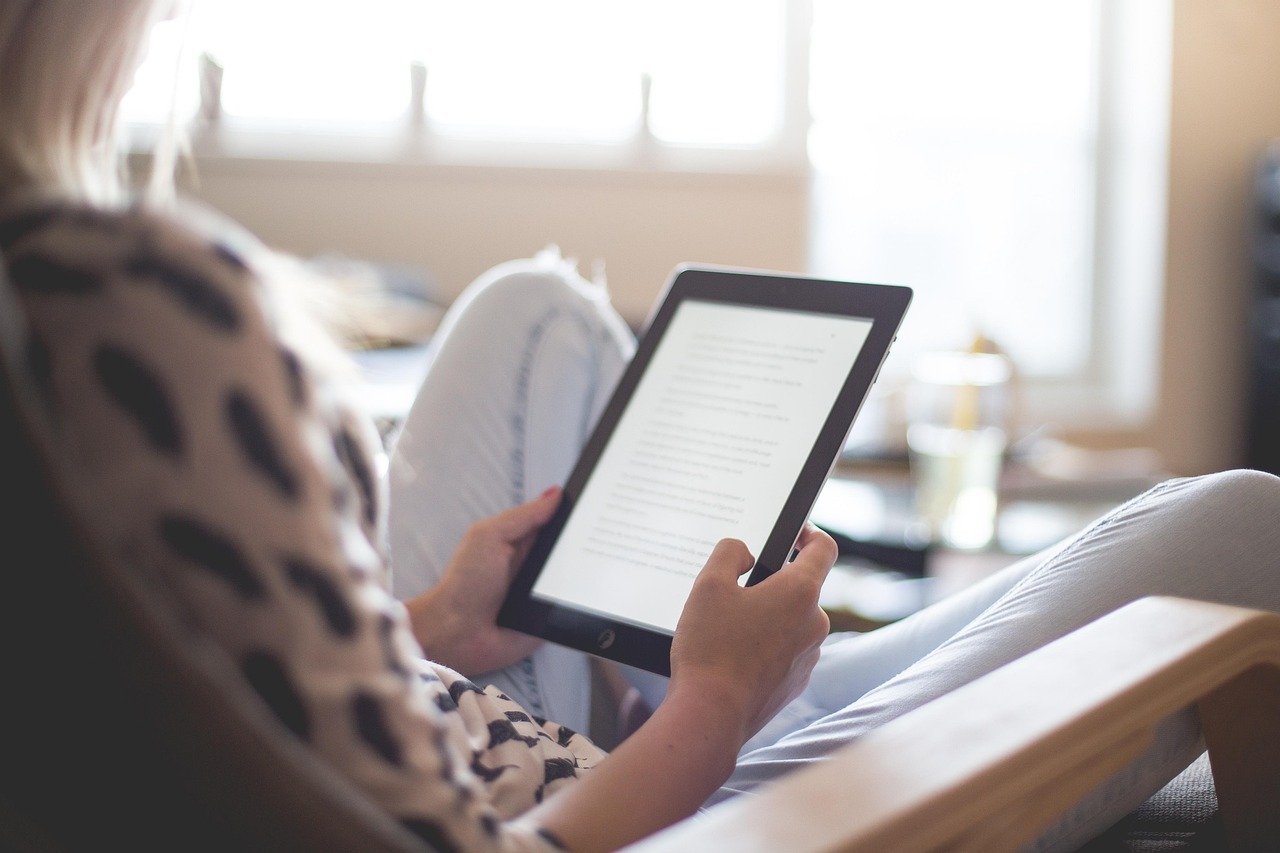
Every few years the argument resurfaces: screens are ruining our reading, paper is superior, and anyone serious about books should resist the e-reader. The research is more nuanced than either camp admits. For busy professionals trying to read more efficiently, the useful question isn't which medium is better in the abstract. It's what each format is actually good at, and how to adjust your habits accordingly.
Where the Formats Genuinely Differ
The most consistent finding in reading research concerns navigation. With paper, your hands and eyes build a physical sense of where you are in a text. You remember that a key idea was on the upper-left of a right-hand page, roughly two-thirds through. That spatial memory supports comprehension, especially for dense or argumentative material. Screens, particularly those that scroll, flatten this sense of location. You know you're somewhere in the document, but the geography is gone.
This matters most for texts you need to hold in your head as a whole: a long report, a book with a building argument, anything where structure is part of the meaning. It matters least for material you're consuming in fragments: news, short articles, reference lookups.
Speed is a different story. Many readers actually move faster on screens, partly because scrolling removes the small friction of page turns and partly because screen reading encourages a more scanning-like posture. That speed comes with a tradeoff. When people read faster on screens, they often retain less, not because the screen is harmful but because the speed itself came from shallower processing.
Annotation is the other clear split. Digital highlighting is searchable and portable. Paper marginalia is faster to write and easier to re-encounter by chance. If you rarely revisit your notes, searchability is theoretical. If you do revisit them, digital wins.
How to Choose, Session by Session
Stop treating this as an identity question and start treating it as a routing decision. Before you open anything, ask what you need from it.
If you need to deeply understand an argument, build a mental model, or remember specific passages weeks later, paper has an edge. The physical cues and the slower pace work in your favor. If paper isn't available, a dedicated e-ink reader is a reasonable substitute because it preserves pagination and reduces the temptation to switch apps.
If you need to extract information quickly, screens are fine and often better. Reports, documentation, and articles you'll act on immediately don't need spatial memory. They need to be searched and cited.
Whatever you choose, protect against the screen's real weakness: context switching. A tablet that also holds email and social apps is not a reading device, no matter what you tell yourself. If you read on a phone or tablet, turn on do-not-disturb and close everything else. The medium's limitations are small compared to the cost of interruption.
One practical hybrid worth trying: read on whatever is convenient, but keep a paper notebook for the two-minute recall summary after each session. You get the speed and portability of screens plus the memory benefits of writing by hand. The format debate fades once you realize the goal isn't loyalty to paper or pixels. It's matching the tool to the job, and then actually finishing the session without checking your inbox.